


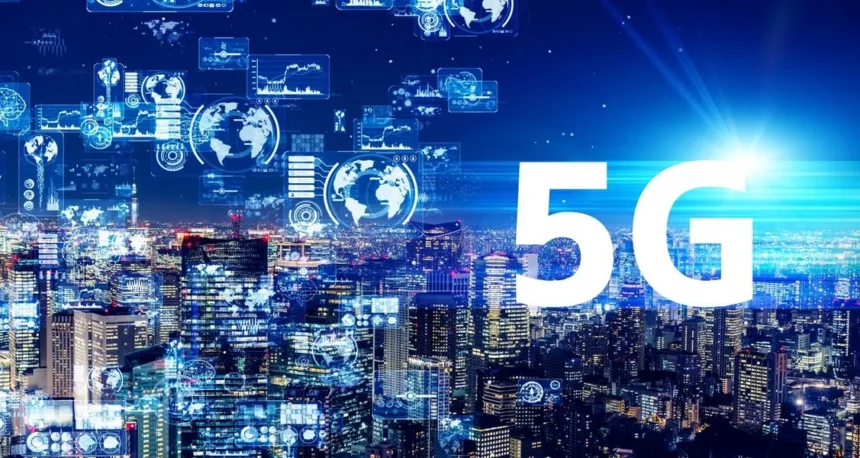
Communication technology has evolved rapidly over the years, from 2G voice calls to 4G high-speed internet. Now, 5G technology is set to revolutionize communication like never before. With ultra-fast speeds, low latency, and massive connectivity, 5G is not just an upgrade—it is a transformation that will impact how people communicate, work, and interact with the digital world.
This article explains how 5G technology will change communication, its benefits, challenges, and future potential.
What Is 5G Technology?
5G is the fifth generation of wireless communication technology designed to deliver faster speeds and more reliable connections.
Key Features of 5G Technology
Ultra-Fast Data Speeds
5G offers speeds significantly faster than 4G, enabling quick downloads and seamless streaming.
Low Latency
Latency refers to the delay in data transmission. 5G reduces this delay to milliseconds.
Massive Device Connectivity
5G can connect millions of devices simultaneously without network congestion.
How 5G Will Transform Communication
5G technology will reshape communication across personal, professional, and industrial sectors.
More EV News

Faster and Smoother Mobile Communication
High-Quality Video Calls
5G enables ultra-HD video calls with minimal lag and interruptions.
Real-Time Messaging
Messages, files, and media will be shared instantly, improving user experience.
Enhanced Internet Experience
Seamless Streaming
Users can stream high-quality videos and live content without buffering.
Faster Downloads and Uploads
Large files can be downloaded and uploaded within seconds.
Impact of 5G on Businesses and Industries
5G will play a crucial role in transforming business communication.
Remote Work and Collaboration
Virtual Meetings
5G supports high-quality virtual meetings with real-time interaction.
Cloud-Based Workflows
Employees can access cloud systems quickly from anywhere.
Internet of Things (IoT) Communication
Smart Devices Connectivity
5G allows smart devices to communicate efficiently and reliably.
Real-Time Data Sharing
IoT devices can share data instantly, improving automation and control.
Role of 5G in Smart Cities and Public Services
5G will significantly enhance communication in urban environments.
Smart Infrastructure Communication
Intelligent Traffic Systems
5G enables real-time traffic monitoring and control.
Connected Public Services
Emergency services can respond faster using real-time communication.
Healthcare Communication
Remote Medical Services
Doctors can consult patients remotely using high-quality video communication.
Real-Time Health Monitoring
Medical devices can transmit patient data instantly.
Advantages of 5G Technology in Communication
5G offers several benefits that improve overall communication systems.
Improved Reliability
Stable Connections
5G reduces dropped calls and network interruptions.
Consistent Performance
Even in crowded areas, communication remains smooth.
Support for Advanced Technologies
Virtual and Augmented Reality
5G enables immersive communication experiences using AR and VR.
Artificial Intelligence Integration
AI-powered communication tools perform better with faster networks.
Challenges and Limitations of 5G Technology
Despite its advantages, 5G faces certain challenges.
Infrastructure Requirements
High Deployment Costs
Building 5G infrastructure requires significant investment.
Limited Coverage Initially
5G availability may be limited in rural or remote areas.
Security and Privacy Concerns
Increased Attack Surface
More connected devices can create additional security risks.
Data Protection Issues
Strong security measures are needed to protect user data.
The Future of Communication with 5G
5G will continue to evolve and shape future communication trends.
Next-Level Connectivity
Future communication will be faster, smarter, and more interactive.
Foundation for Future Technologies
5G will act as a base for future innovations such as autonomous vehicles and smart environments.
Conclusion
5G technology is set to change communication by delivering faster speeds, lower latency, and greater connectivity. It will enhance mobile communication, transform businesses, enable smart cities, and support advanced technologies like IoT, AI, and virtual reality. While challenges such as infrastructure costs and security concerns exist, the long-term benefits of 5G far outweigh the limitations. As 5G adoption grows, communication will become more seamless, reliable, and intelligent than ever before.
Frequently Asked Questions (FAQs)
1. How is 5G different from 4G?
5G offers much faster speeds, lower latency, and the ability to connect more devices simultaneously.
2. Will 5G improve video calling?
Yes, 5G enables high-quality, lag-free video calls and real-time communication.
3. Is 5G important for smart cities?
Yes, 5G supports real-time communication for smart infrastructure and public services.
4. Does 5G work on all devices?
Only 5G-compatible devices can access 5G networks.
5. Is 5G safe to use?
Yes, 5G follows international safety standards, but strong cybersecurity measures are necessary.