


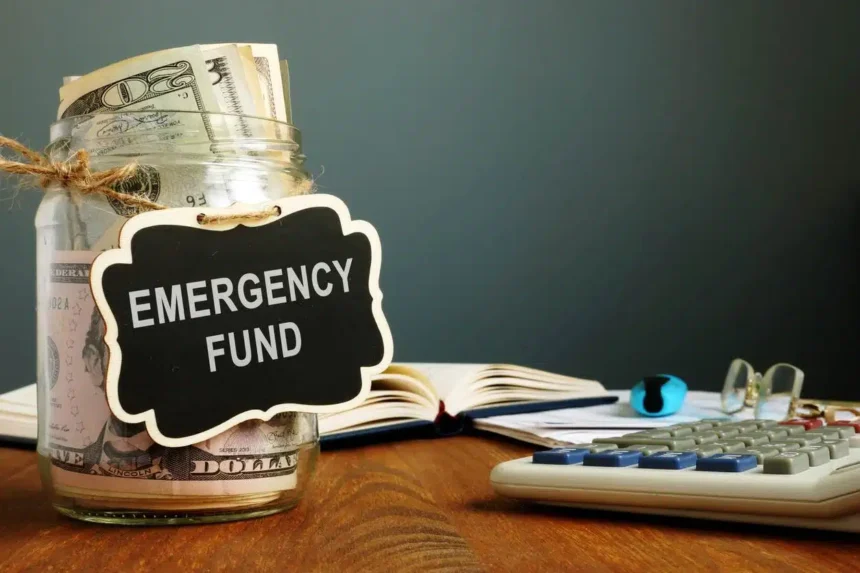
Life is unpredictable. Medical emergencies, job loss, urgent home repairs, or unexpected expenses can arise at any time. An emergency fund acts as a financial safety net that helps you handle such situations without falling into debt or financial stress. Regardless of income level, having an emergency fund is one of the most important steps toward financial stability.
This article explains why an emergency fund matters and how to build one, with practical, easy-to-follow strategies.
What Is an Emergency Fund?
An emergency fund is money set aside specifically to cover unexpected and urgent expenses.
Purpose of an Emergency Fund
Financial Protection
It protects you from relying on credit cards or loans during emergencies.
Peace of Mind
Knowing you have backup savings reduces stress and anxiety.
What Counts as an Emergency?
Medical Expenses
Unexpected medical bills or treatments.
Job Loss or Income Reduction
Temporary loss of income or delayed payments.

Urgent Repairs
Car breakdowns, home repairs, or essential replacements.
Why an Emergency Fund Matters
An emergency fund is a foundation of strong personal finance.
Prevents Debt
Avoid High-Interest Loans
Emergency savings help you avoid borrowing money at high interest rates.
Protects Credit Score
Using savings instead of credit cards keeps your credit healthy.
Provides Financial Stability
Handles Uncertainty
Emergencies do not disrupt your long-term financial goals.
Maintains Daily Living
Covers essentials like rent, food, and utilities during tough times.
How Much Should You Save in an Emergency Fund?
The ideal amount depends on lifestyle and income stability.
General Savings Rule
3 to 6 Months of Expenses
Most experts recommend saving enough to cover 3–6 months of living expenses.
Adjust Based on Your Situation
Stable Income
3 months may be sufficient.
Irregular or Self-Employed Income
6 months or more is safer.
Step-by-Step Guide to Building an Emergency Fund
Building an emergency fund is achievable with consistency and planning.
Step 1: Set a Clear Savings Goal
Calculate Monthly Expenses
Include rent, food, transport, utilities, and essentials.
Set a Target Amount
Multiply monthly expenses by 3 or 6.
Step 2: Start Small and Stay Consistent
Begin with Small Savings
Even small monthly contributions add up over time.
Focus on Habit Building
Consistency matters more than amount.
Step 3: Create a Separate Savings Account
Reduce Spending Temptation
Keeping emergency money separate prevents unnecessary use.
Easy Access
Choose an account that allows quick withdrawals in emergencies.
Step 4: Automate Your Savings
Automatic Transfers
Set up automatic monthly transfers to your emergency fund.
Pay Yourself First
Save before spending on non-essentials.
Step 5: Increase Savings Gradually
Use Extra Income
Bonuses, tax refunds, or side income can boost savings.
Adjust Over Time
Increase contributions as income grows.
Where to Keep Your Emergency Fund
Your emergency fund should be safe and accessible.
Best Places for Emergency Savings
Savings Account
Safe, liquid, and easy to access.
High-Interest Savings Account
Earns some interest while keeping funds available.
Where Not to Keep It
Risky Investments
Stocks or crypto are not suitable due to volatility.
Long-Term Lock-In Accounts
Avoid accounts with penalties for withdrawals.
When to Use Your Emergency Fund
Emergency funds should be used wisely.
Valid Reasons to Use It
True Emergencies Only
Unexpected, urgent, and essential expenses.
Rebuild After Use
Refill the Fund
Restart saving immediately after using it.
Common Mistakes to Avoid
Using Emergency Funds for Wants
Vacations or shopping are not emergencies.
Not Replenishing After Use
Failing to rebuild weakens financial security.
Waiting for a “Perfect Time”
The best time to start is now, even with small amounts.
Benefits of Having an Emergency Fund
Financial Confidence
Reduced Stress
You feel more secure knowing you are prepared.
Long-Term Financial Health
Supports Other Goals
An emergency fund protects investments and savings plans.
Conclusion
An emergency fund is a crucial part of financial stability and personal security. It protects you from unexpected expenses, prevents debt, and provides peace of mind during uncertain times. Building an emergency fund does not require a high income—it requires consistency, discipline, and smart planning. By starting small, saving regularly, and using the fund wisely, you can create a strong financial safety net that supports your long-term goals and well-being.
Frequently Asked Questions (FAQs)
1. Can I build an emergency fund on a low income?
Yes, even small and consistent savings can build an emergency fund over time.
2. How long does it take to build an emergency fund?
It depends on income and expenses, but steady saving can show progress within months.
3. Should I save or pay off debt first?
Save a small emergency fund first, then focus on high-interest debt.
4. Can I invest my emergency fund?
No, emergency funds should be kept in safe and easily accessible accounts.
5. What if I need to use my emergency fund?
Use it when necessary and rebuild it as soon as possible afterward.