


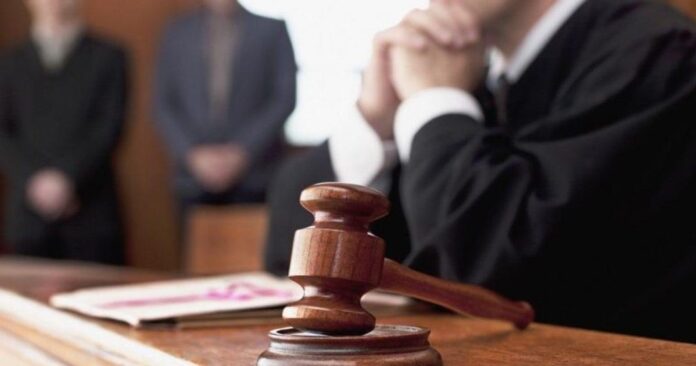
Courts and judges form the backbone of the justice system. They ensure that laws are interpreted fairly, disputes are resolved peacefully, and justice is delivered without bias. In every democratic society, courts act as guardians of the law, while judges serve as impartial decision-makers who uphold the rule of law and protect fundamental rights.
This article explains the role of courts and judges in the justice system, their functions, responsibilities, and importance in maintaining a fair and orderly society.
Understanding the Justice System
The justice system is a framework of institutions and procedures designed to enforce laws and deliver justice.
Purpose of the Justice System
Maintaining Law and Order
The justice system prevents chaos by ensuring laws are followed.
Protecting Rights
It safeguards the rights and freedoms of individuals.
Resolving Disputes
Legal conflicts are resolved through lawful and peaceful means.
What Are Courts?
Courts are official institutions established to interpret laws, hear cases, and deliver judgments.

Types of Courts
Trial Courts
These courts hear cases for the first time and examine evidence and witnesses.
Appellate Courts
They review decisions made by lower courts to ensure fairness and correctness.
Supreme or High Courts
These are the highest courts that interpret constitutional matters and major legal issues.
Role of Courts in the Justice System
Courts play multiple critical roles in ensuring justice.
Interpretation of Laws
Clarifying Legal Meaning
Courts interpret laws passed by the legislature and apply them to real-life situations.
Filling Legal Gaps
Judicial interpretation helps clarify vague or unclear laws.
Administration of Justice
Fair Trial Process
Courts ensure that cases are heard openly, fairly, and according to due process.
Equal Treatment
All individuals are treated equally before the law, regardless of status.
Protection of Fundamental Rights
Safeguarding Liberties
Courts protect citizens from unlawful actions by individuals or authorities.
Constitutional Protection
Courts ensure that laws and government actions comply with the constitution.
Dispute Resolution
Civil Disputes
Courts resolve conflicts related to property, contracts, and family matters.
Criminal Cases
Courts determine guilt or innocence and impose punishments where necessary.
Who Are Judges?
Judges are judicial officers appointed to preside over court proceedings and deliver judgments.
Qualities of a Judge
Impartiality
Judges must remain neutral and unbiased.
Integrity and Honesty
They are expected to uphold the highest ethical standards.
Legal Expertise
Judges possess deep knowledge of laws and legal principles.
Role of Judges in the Justice System
Judges perform several vital functions during legal proceedings.
Presiding Over Court Proceedings
Maintaining Order
Judges ensure discipline and proper conduct in the courtroom.
Managing Trials
They control the flow of cases, evidence, and arguments.
Interpreting and Applying the Law
Legal Analysis
Judges interpret statutes, precedents, and constitutional provisions.
Applying Justice
They apply the law fairly to the facts of each case.
Delivering Judgments and Sentences
Decision Making
Judges decide cases based on evidence and legal principles.
Sentencing
In criminal cases, judges determine appropriate punishments.
Protecting Rights of Parties
Fair Hearing
Judges ensure both sides have an equal opportunity to present their case.
Preventing Abuse of Power
Judicial oversight protects individuals from misuse of authority.
Independence of the Judiciary
Judicial independence is essential for justice.
Why Judicial Independence Matters
Freedom from Influence
Judges must not be influenced by political or external pressures.
Public Confidence
Independent courts increase trust in the justice system.
Importance of Courts and Judges in Society
Courts and judges are essential for social stability and democracy.
Rule of Law
Law Above All
Courts ensure that everyone, including the government, follows the law.
Peaceful Society
Prevents Violence
Legal dispute resolution prevents conflicts from escalating into violence.
Democratic Balance
Checks and Balances
Courts act as a check on the powers of the legislature and executive.
Challenges Faced by Courts and Judges
Despite their importance, courts face several challenges.
Case Backlogs
Delayed Justice
Overloaded courts can lead to slow case resolution.
Public Pressure and Criticism
Maintaining Neutrality
Judges must remain impartial despite public opinion.
Conclusion
Courts and judges play a central role in the justice system by interpreting laws, resolving disputes, protecting rights, and maintaining the rule of law. Courts provide a structured and peaceful way to resolve conflicts, while judges ensure fairness, impartiality, and justice in every case. A strong, independent, and efficient judiciary is essential for democracy, social harmony, and public trust. Without courts and judges, the justice system would fail to protect rights and uphold law and order in society.
Frequently Asked Questions (FAQs)
1. What is the main role of courts in the justice system?
Courts interpret laws, resolve disputes, and ensure fair administration of justice.
2. What is the role of a judge during a trial?
A judge oversees proceedings, interprets the law, and delivers judgments or sentences.
3. Why is judicial independence important?
It ensures judges can make fair decisions without external influence.
4. How do courts protect fundamental rights?
Courts review laws and actions to ensure they do not violate constitutional rights.
5. What happens if a court decision is unfair?
The decision can be challenged in a higher or appellate court.