


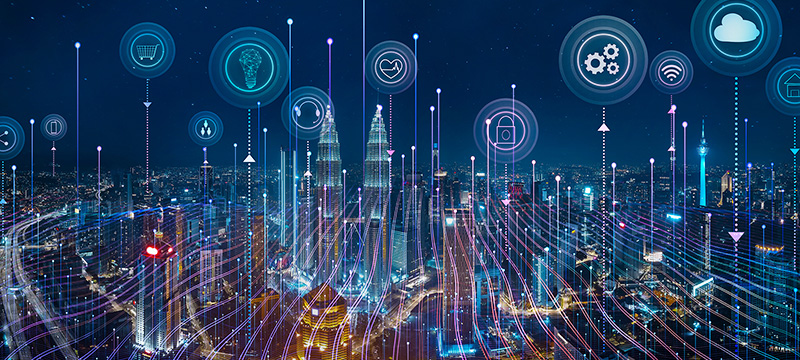
Urban populations are growing rapidly, putting pressure on infrastructure, resources, and public services. To address these challenges, cities around the world are adopting advanced technologies to become smart cities. A smart city uses digital technology, data, and innovation to improve the quality of life for citizens, enhance sustainability, and optimize city operations.
This article explores how technology is shaping smart cities, the key technologies involved, their benefits, challenges, and the future of urban living.
What Is a Smart City?
A smart city is an urban area that integrates technology and data-driven solutions to manage resources efficiently and improve public services.
Key Characteristics of Smart Cities
Data-Driven Decision Making
Smart cities collect and analyze data to make informed decisions about transportation, energy, security, and healthcare.
Citizen-Centered Services
Technology is used to improve daily life, making cities more convenient, safe, and livable for residents.
Sustainable Development
Smart cities focus on reducing environmental impact through efficient energy use and waste management.
Role of Technology in Smart Cities
Technology is the backbone of smart city development, enabling automation, connectivity, and innovation.

Internet of Things (IoT)
Smart Sensors and Devices
IoT devices collect real-time data on traffic, air quality, water usage, and infrastructure health.
Improved Resource Management
Sensors help cities reduce waste, detect leaks, and optimize energy consumption.
Artificial Intelligence and Data Analytics
Predictive Analysis
AI analyzes data to predict traffic congestion, energy demand, and maintenance needs.
Smarter City Planning
Data analytics helps city planners design efficient transportation routes and public spaces.
Cloud Computing
Centralized Data Storage
Cloud platforms store vast amounts of city data securely and make it accessible to authorities.
Scalable City Services
Cloud computing allows cities to expand digital services without heavy infrastructure costs.
Smart Transportation Systems
Technology is transforming urban mobility and reducing traffic-related problems.
Intelligent Traffic Management
Real-Time Traffic Monitoring
Smart traffic lights adjust signals based on traffic flow to reduce congestion.
Accident Reduction
Sensors and cameras help detect incidents quickly and alert emergency services.
Public Transportation Innovations
Smart Ticketing Systems
Digital payments and mobile apps make public transport more convenient.
Route Optimization
Technology helps buses and trains operate on efficient routes and schedules.
Smart Energy and Environmental Management
Energy efficiency and environmental protection are core goals of smart cities.
Smart Grids
Efficient Energy Distribution
Smart grids monitor energy usage and balance supply and demand in real time.
Renewable Energy Integration
Technology supports the use of solar, wind, and other renewable energy sources.
Environmental Monitoring
Air and Water Quality Sensors
Cities monitor pollution levels and take action to protect public health.
Waste Management Systems
Smart bins track waste levels and optimize collection routes.
Technology in Public Safety and Governance
Smart cities use technology to improve safety and governance.
Smart Surveillance and Security
Real-Time Monitoring
Cameras and sensors enhance public safety and crime prevention.
Faster Emergency Response
Technology helps emergency services respond quickly to incidents.
Digital Governance
E-Government Services
Citizens can access government services online, reducing paperwork and delays.
Transparency and Accountability
Digital platforms promote transparency in decision-making and service delivery.
Benefits of Smart Cities
Technology-driven cities offer numerous advantages for citizens and governments.
Improved Quality of Life
Better Public Services
Smart healthcare, transportation, and utilities improve daily living.
Increased Convenience
Digital services save time and reduce stress for residents.
Economic Growth
Business Innovation
Smart cities attract businesses, startups, and investors.
Job Creation
New technologies create jobs in IT, data analysis, and urban planning.
Environmental Sustainability
Reduced Carbon Emissions
Efficient energy use lowers pollution and environmental impact.
Sustainable Resource Use
Smart systems help conserve water, electricity, and natural resources.
Challenges in Building Smart Cities
Despite their benefits, smart cities face several challenges.
High Implementation Costs
Infrastructure Investment
Building smart systems requires significant financial resources.
Maintenance Expenses
Technology needs regular updates and cybersecurity protection.
Data Privacy and Security
Privacy Concerns
Large-scale data collection raises concerns about citizen privacy.
Cybersecurity Risks
Smart systems must be protected from cyberattacks and data breaches.
Digital Divide
Unequal Access
Not all citizens may have equal access to digital services.
Need for Digital Literacy
Education and training are required to ensure inclusivity.
The Future of Smart Cities
Smart cities will continue to evolve with emerging technologies.
Integration of Advanced Technologies
Future cities will use advanced AI, automation, and real-time analytics for better urban management.
Citizen Participation
Technology will enable citizens to participate in decision-making through digital platforms.
Conclusion
Technology is fundamentally shaping the development of smart cities by improving efficiency, sustainability, and quality of life. From intelligent transportation and energy systems to digital governance and public safety, smart city technologies address modern urban challenges. While there are obstacles such as high costs and privacy concerns, careful planning, strong security measures, and inclusive policies can ensure successful implementation. As technology continues to advance, smart cities will play a crucial role in creating a more connected, sustainable, and livable future.
Frequently Asked Questions (FAQs)
1. What is the main goal of a smart city?
The main goal is to improve quality of life by using technology to manage resources efficiently and provide better public services.
2. How does technology help in traffic management?
Technology uses sensors, cameras, and AI to monitor traffic flow and reduce congestion.
3. Are smart cities environmentally friendly?
Yes, smart cities focus on energy efficiency, renewable energy, and reduced pollution.
4. What are the biggest challenges of smart cities?
High costs, data privacy concerns, cybersecurity risks, and digital inequality are major challenges.
5. Will smart cities replace traditional cities?
Smart cities will enhance traditional cities by upgrading infrastructure with technology rather than replacing them completely.