


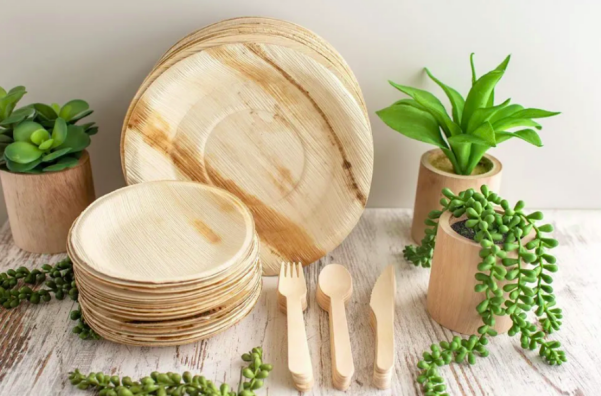
In recent years, businesses and consumers have become far more conscious about the environmental impact of single-use products. Restaurants, catering companies, event planners, and even households are actively searching for sustainable alternatives that reduce waste without sacrificing convenience.
Many people now turn to eco-friendly disposable tableware manufacturers like anzhucraft.com to find practical solutions made from renewable materials such as bamboo, wood, and paper. Understanding how to choose the right eco-friendly disposable tableware can help you make smarter, more responsible decisions for both your business and the planet.
Why Eco-Friendly Disposable Tableware Matters
Traditional plastic tableware can take hundreds of years to decompose, contributing to pollution, overflowing landfills, and harm to marine life. Eco-friendly disposable tableware, on the other hand, is designed to break down naturally or be composted after use. This shift supports a circular economy where materials return safely to the environment.
Choosing sustainable tableware is not just an environmental choice; it also reflects your brand values. Customers increasingly prefer businesses that show responsibility toward the planet. Using biodegradable plates, bowls, cups, and cutlery can enhance your public image and build trust with environmentally aware consumers.
Common Materials Used in Sustainable Disposable Tableware
Understanding the materials used in eco-friendly disposable tableware helps you choose products that best fit your needs.
Bamboo
Bamboo is one of the fastest-growing plants in the world, making it an excellent renewable resource. Bamboo-based tableware is sturdy, lightweight, and visually appealing. It works well for hot and cold foods and is often compostable under the right conditions.
Wood
Wooden disposable cutlery and plates are popular for their natural look and strength. They are typically made from responsibly sourced wood and are biodegradable. Wooden products are especially suitable for events, catering, and takeaway services.

Paper and Pulp
Paper-based tableware, including plates, bowls, and cups, is commonly made from recycled paper or agricultural waste like sugarcane bagasse. These products are affordable, widely available, and usually compostable.
Benefits of Using Eco-Friendly Disposable Tableware
Switching to sustainable disposable tableware offers multiple advantages beyond environmental protection.
Reduced Environmental Impact
Biodegradable and compostable products break down faster than plastic, reducing long-term pollution.
Customer Satisfaction
Eco-conscious customers appreciate businesses that prioritize sustainability. This can improve customer loyalty and positive reviews.
Regulatory Compliance
Many regions are banning or restricting plastic products. Using eco-friendly alternatives helps businesses stay compliant with current and future regulations.
Versatility and Style
Modern eco-friendly tableware is designed to be both functional and attractive. From minimalist wooden cutlery to elegant bamboo plates, there are options for casual and premium settings alike.
How to Evaluate Quality When Choosing Disposable Tableware
Not all eco-friendly products are created equal. Here are key factors to consider:
Durability
Ensure the tableware can handle the type of food you serve. Hot, oily, or heavy foods require stronger materials like bamboo or molded fiber.
Certifications
Look for products that meet international standards for compostability and sustainability. Certifications indicate responsible sourcing and manufacturing practices.
Safety
Choose products that are food-safe and free from harmful chemicals or coatings.
Appearance
Presentation matters, especially for events and restaurants. High-quality eco-friendly tableware enhances the dining experience.
Choosing the Right Products for Different Use Cases
Different situations call for different types of disposable tableware.
Restaurants and Cafés
Daily use requires reliable, cost-effective products. Paper and pulp-based plates and bowls are often ideal, while wooden cutlery adds a natural touch.
Catering and Events
Weddings, corporate events, and parties benefit from stylish options like bamboo plates and wooden cutlery that look elegant while remaining sustainable.
Takeaway and Delivery
Leak-resistant containers made from molded fiber or paper with eco-friendly linings work best for transporting food safely.
Household Use
For picnics, outdoor gatherings, or busy days, eco-friendly disposable tableware offers convenience without guilt.
Cost Considerations and Long-Term Value
While eco-friendly disposable tableware may sometimes cost slightly more than plastic alternatives, the long-term value often outweighs the initial expense. Reduced environmental harm, improved brand reputation, and compliance with regulations can save money and protect your business in the future.
Bulk purchasing from reliable manufacturers can also significantly lower costs. Many suppliers offer competitive pricing for large orders, making sustainable choices more accessible.
Trends Shaping the Future of Disposable Tableware
The eco-friendly tableware market continues to evolve as technology and consumer expectations advance.
Innovative Materials
Manufacturers are experimenting with new plant-based materials and agricultural byproducts to create stronger and more versatile products.
Minimalist Design
Natural textures and simple designs are becoming increasingly popular, aligning with modern aesthetics.
Increased Composting Infrastructure
As composting facilities expand globally, compostable tableware becomes even more practical and effective.
Global Demand for Sustainability
More countries and businesses are committing to sustainability goals, driving demand for responsible disposable products.
How Businesses Can Promote Their Sustainable Choices
Using eco-friendly tableware is a great step, but communicating this choice is equally important.
Highlight sustainable practices on menus and packaging
Educate customers about compostable and biodegradable materials
Partner with waste management services that support composting
Share sustainability efforts on social media and websites
These actions reinforce your commitment and encourage customers to support your brand.
Making the Transition Smooth and Effective
Switching from plastic to eco-friendly disposable tableware doesn’t have to be complicated.
Start by testing a few products to see what works best for your needs. Train staff on proper usage and disposal. Inform customers about the change and explain its benefits. Over time, this transition becomes a natural part of your operations.
Final Thoughts on Sustainable Disposable Tableware
Choosing eco-friendly disposable tableware is a responsible decision that benefits businesses, consumers, and the environment. By understanding materials, quality factors, and use cases, you can select products that meet your needs without compromising sustainability.
Working with trusted Disposable tableware Manufacturers such as anzhucraft.com ensures access to high-quality bamboo, wood, and paper-based solutions that align with modern environmental standards.